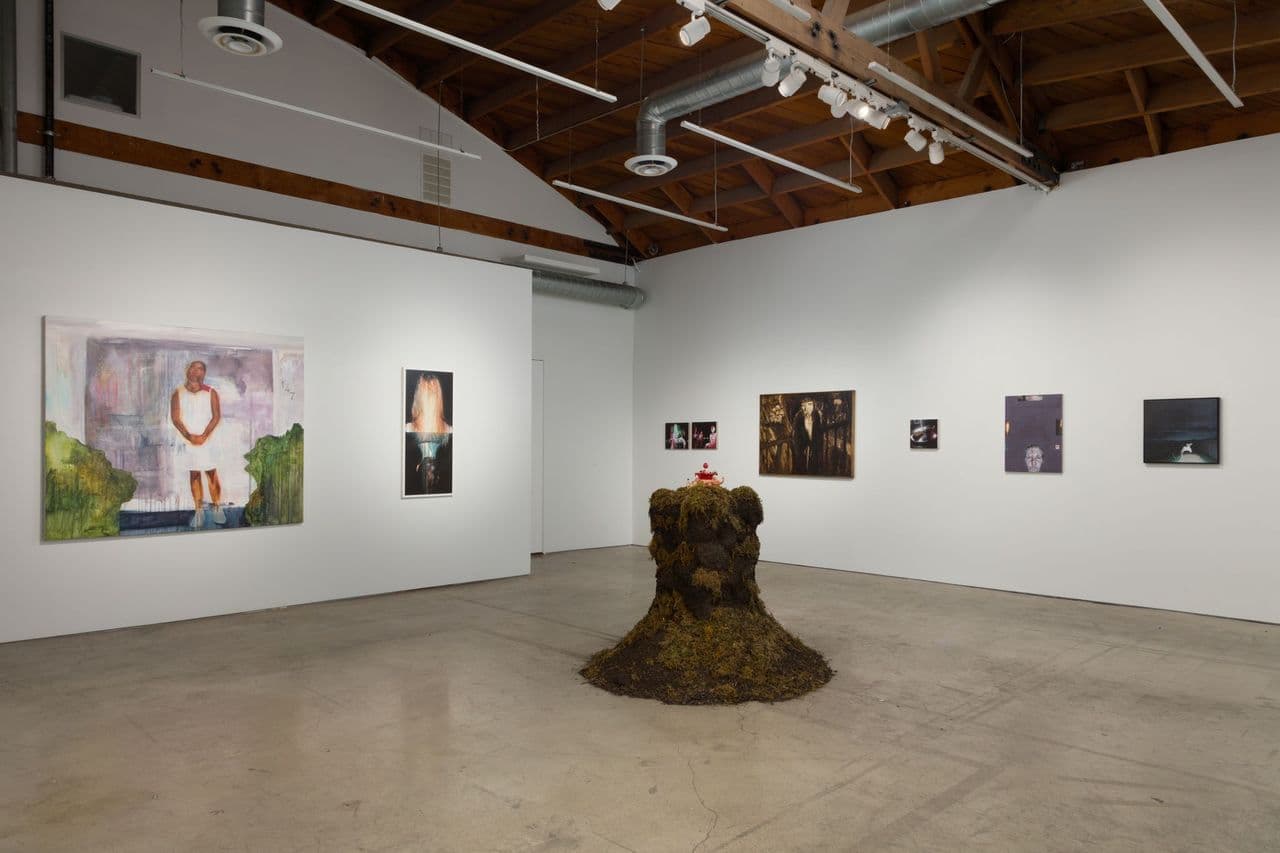
Installation Views
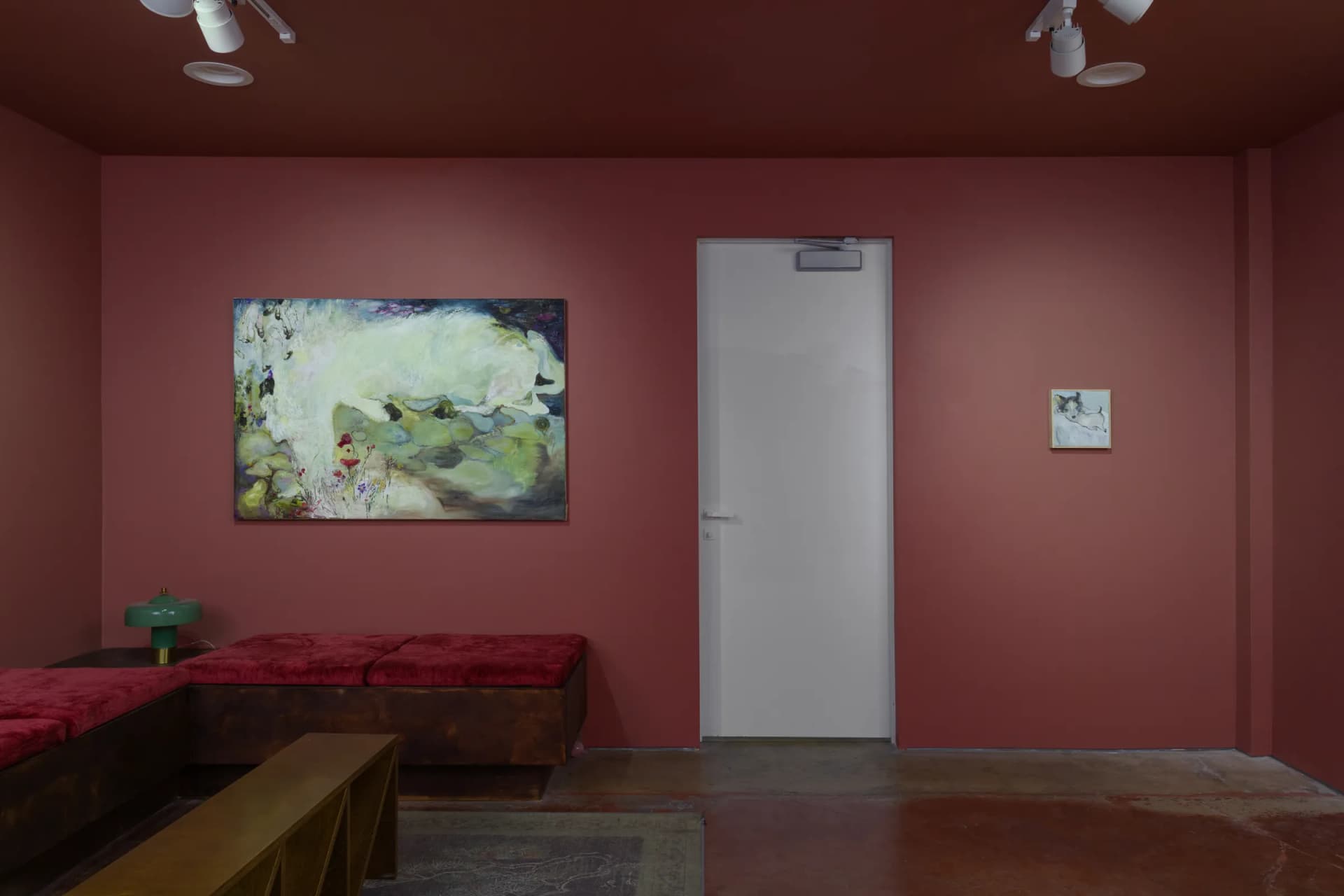
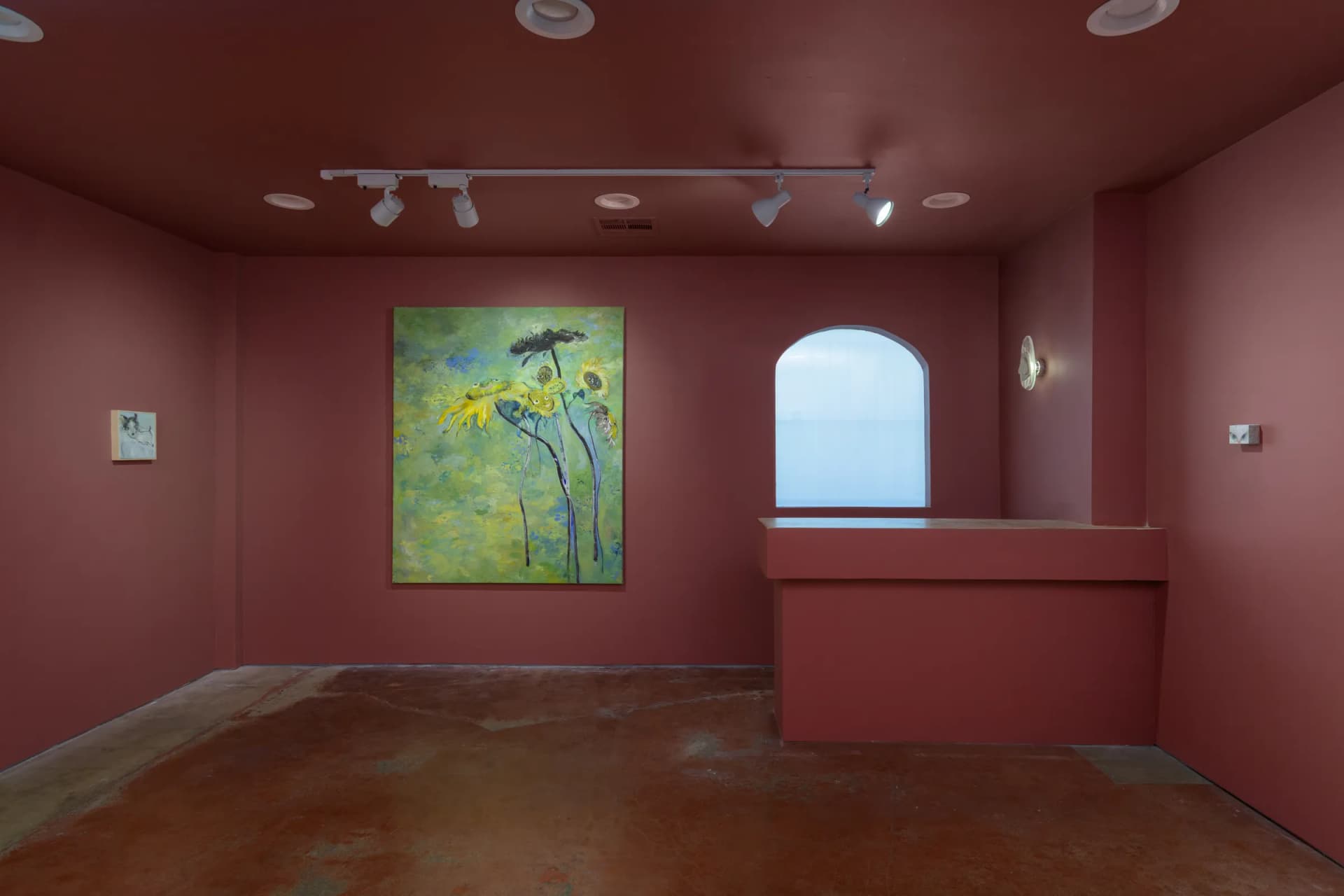
Works
Tandaradei (If The Nightingale Could Speak), 2026
Oil on canvas
40 x 30 in / 101.60 x 76.20 cm
Untitled, 2026
Oil on wood panel
Untitled, 2026
10½ x 10½ in. (framed)
10 x 10 in. / 25.40 x 25.40 cm
Sunflowers, 2026
Oil on canvas
72 x 56 in. / 182.88 x 142.24 cm
As If, 2026
Oil on canvas
16 x 12 in / 40.64 x 30.48 cm
The Mare, 2026
Oil on canvas
40 x 60 in / 101.60 x 152.40 cm
The Unbearable Lightness of Being, 2026
Oil on canvas
50 x 30 in / 127.00 x 76.20 cm
Press Release
Hugo Vaihinger presented The Philosophy of As If in 1935, a Neo-Kantian philosophy exploring the idea that fictions, while they might not necessarily be true, are scaled from ideas into the world with consequence. Models, laws, and theories permeate the world around us to create guidelines and ethics on how to best operate. Beyond science, stories, myth, and religion create systems of belief that affect our actions and the lens through which we see the world. Make Room is proud to present As If, a show of paintings by Chinese-born artist Aleza Zheng that traverses this thin membrane between truth and fiction.
The formal elements of her work are inspired from classical Chinese painting. These works are early forms of non-representational work, painting nature and scenery with the aesthetics and feeling of the mountains and rivers rather than what the artist really sees. Her paintings further abstract nature into just the swirling blues and greens, but move beyond any representation of the flora into a pure natural beauty. They exist as a fiction of how nature really appears, but might better capture the feeling of a turning path that breaches into a clear vista.
Aesthetics are prioritized over realism, loose strokes leave figures as shadows of the characters they represent, and layered images create a feeling that you can place yourself into rather than a window into a captured image. The idea of a landscape, or fragments of a story depict a romantic vision to create a universal truth that expands beyond the static painting. In the painting The Mare, the outline of a horse lies dead in a field, without detail; the painting holds the bleakness of the moment and the naive ignorance of the cold objectivity of death.
The painting uses the feeling to capture the nature of the moment, but it captures the moment in Fyodor Dostoevsky’s novel Crime and Punishment, where a boy begins to cry at the beating of a horse. This scene is then realized years later in life by Frederic Nietzsche. Towards the end of his life in Turin, he witnesses a horse being whipped and collapses in grief. A moment that has itself turned into myth. Now, the horse exists again in the artistic form of a painting.
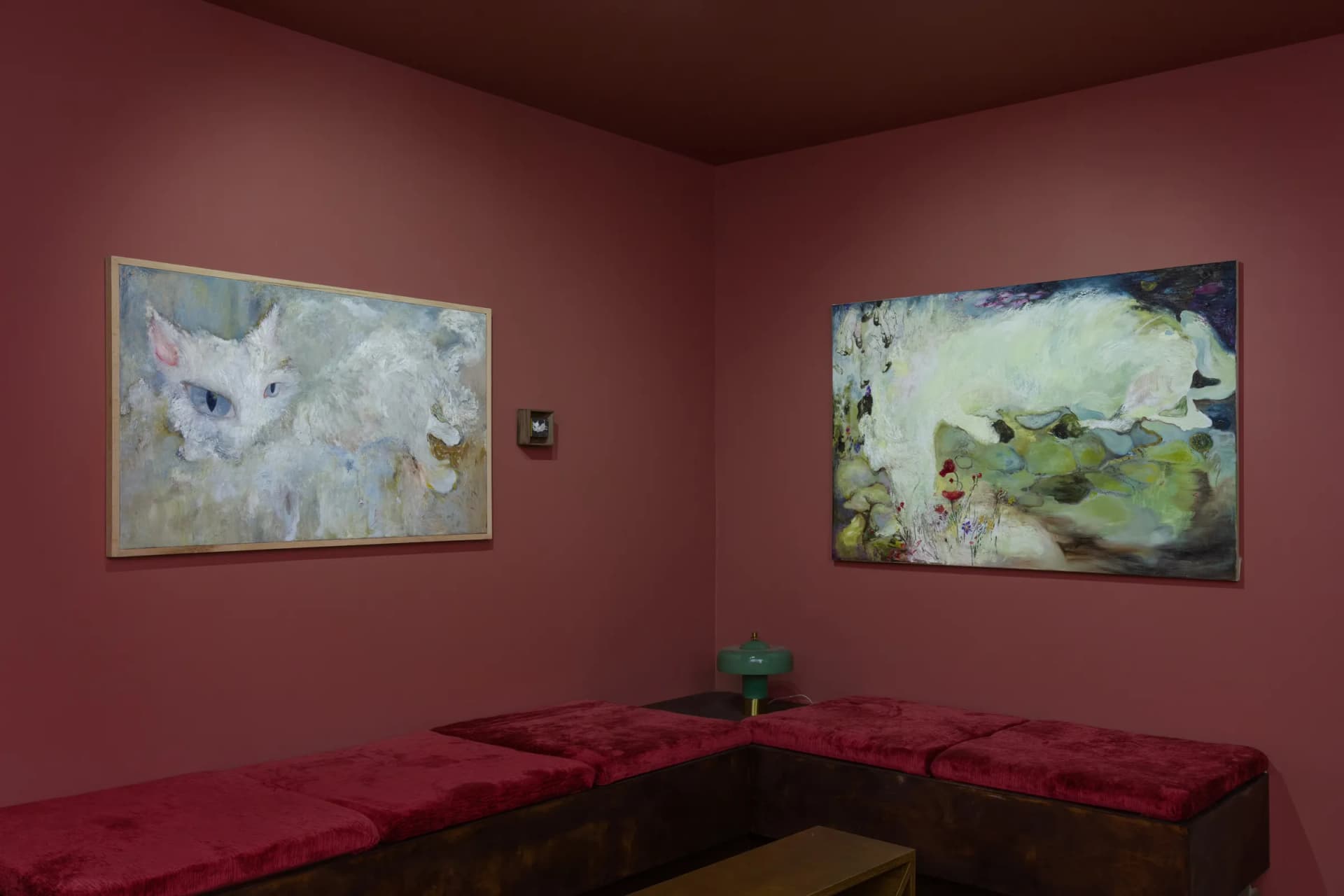
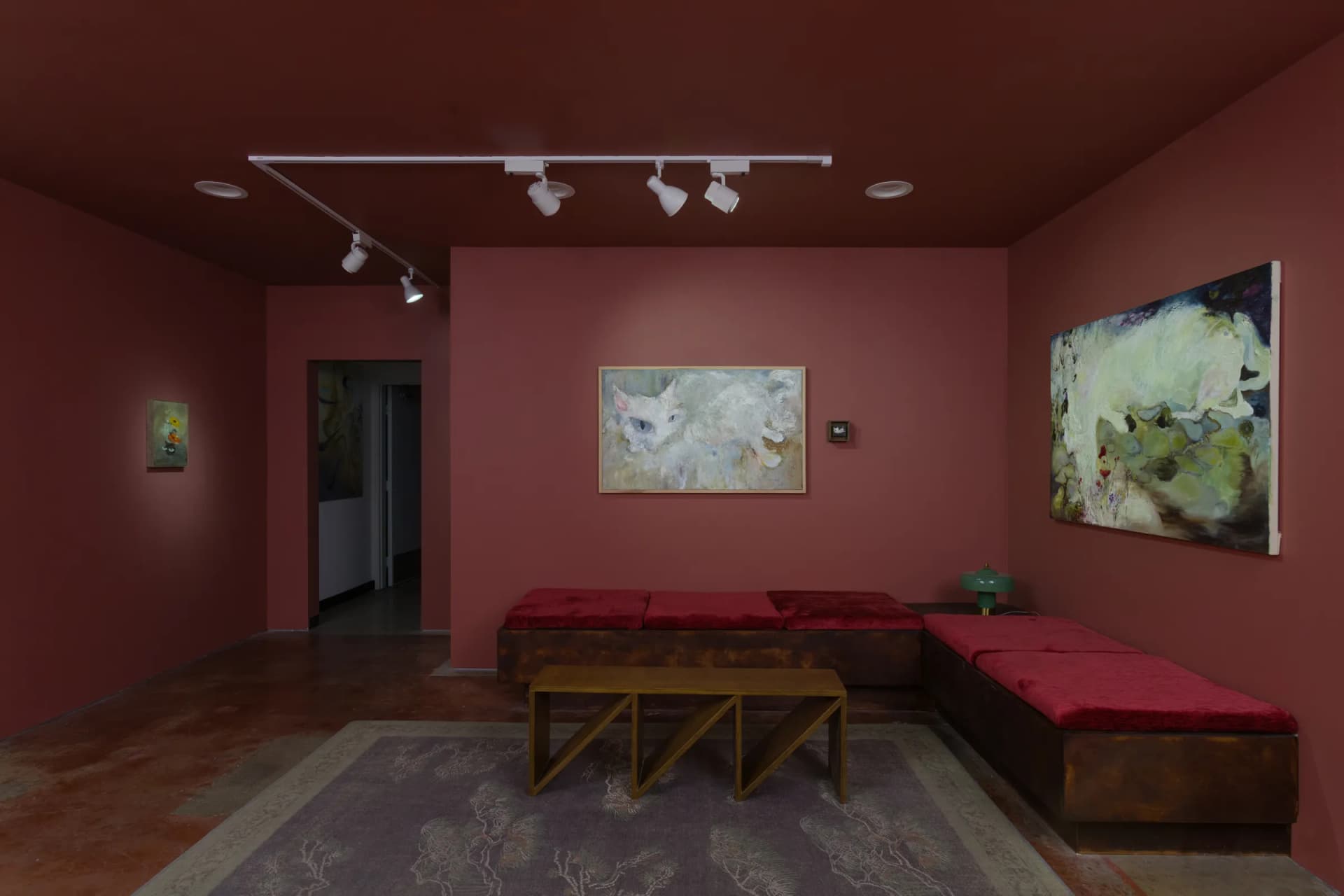
Even science holds fictions. We create stories that reflect systems of numbers and data, turning them into their own pseudoreligious dogma. In recent years, mathematical findings from the work of Schrödinger and the metaphor of his cat, or conjectures about the meaning of the observer's effect in the double slit test, have been turned into a philosophical feeding ground that is extrapolated into works of media that affect how people see the world around them. The Unbearable Lightness of Being places this cat within your vision, but it remains as a painting, somewhere between existence and nonexistence.
No art is entirely truthful; even a photograph can only capture a limited window into a moment, and ignores the ephemeral aspects of a moment that exist just outside the frame. These paintings forgo the objective to capture the truth of the painter's view. Each experience, personally lived or absorbed through storytelling, changes the viewer's lens and shapes their own personal reality. Aleza Zheng goes beyond Oscar Wilde's statement that “Life imitates art”, she insists that they are constantly informing each other, creating feedback loops spiraling through time.
Images courtesy of the artist and Make Room, Los Angeles.
About the Artist